Botswana, long praised for prudent fiscal management, currently faces mounting economic pressures.
FfD4 in Seville, Spain represents a pivotal opportunity to reshape the economic future of Batswana for the following reasons. As Batswana grapple with a BWP 22 billion budget deficit (9% of GDP in 2024), rising public debt of 27.4% of GDP, squeezing funds for youth-centric programs and youth unemployment at 43.86%, underscoring the urgency of prioritizing job creation and social services for the nation’s youth-dominated population (70% under 35), the FfD4 presents an opportunity for Batswana to redefine global rules on sovereign debt, a critical issue for Botswana as diamond revenue volatility strains public finances. FfD4’s focus on domestic resource mobilization dovetails with youth calls to combat illicit financial flows and redirect diamond revenues toward skills development and climate resilience. The FfD4’s emphasis on debating funding mechanisms for SDGs like quality education and decent work which are essential for Batswana youth well-being. All this comes at a time when the Vice President and Finance Minister of Botswana, Mr. Ndaba Gaolathe has warned of drastic fiscal adjustments, including expenditure slashes and tax hikes, to stabilize the economy.
Related Articles
Youth Activism and Demands for Reform
Batswana youth should mobilize a solidarity movement which ensures that existing fiscal policies in Botswana address their future. This is because Botswana scores just 39/100 on budget transparency, obscuring how public funds are allocated. High debt servicing costs threaten investments in education, skills development, and employment, critical for a generation grappling with unemployment and underemployment. Youth should realize that unsustainable debt and opaque budgeting "mortgage their future," and therefore they should demand accountability to ensure resources align with their needs.
Regional Frameworks as Blueprints
Young Batswana, should urge their leaders to leverage the following regional frameworks to drive domestic reforms:
SADC Model PFM Law: Adopted in 2022, this model law mandates transparency, legislative oversight, and citizen participation in budgeting. Aligning Botswana’s Public Finance Management Act with this framework could strengthen parliamentary scrutiny, require public loan disclosures, and institutionalize anti-corruption measures.
African Borrowing Charter(ABC): Promotes responsible debt management, emphasizing parliamentary approval of loans, public disclosure of terms, and citizen consultation. Botswana’s adoption of ABC principles would tie borrowing to developmental outcomes, avoiding reckless debt accumulation.
Regional momentum, including the2025 Lomé Declarationadopted at the 1st African Union Conference on Debt, reinforces these efforts by framing debt as a tool for inclusive development.
Youth-Led Advocacy and Policy Engagement
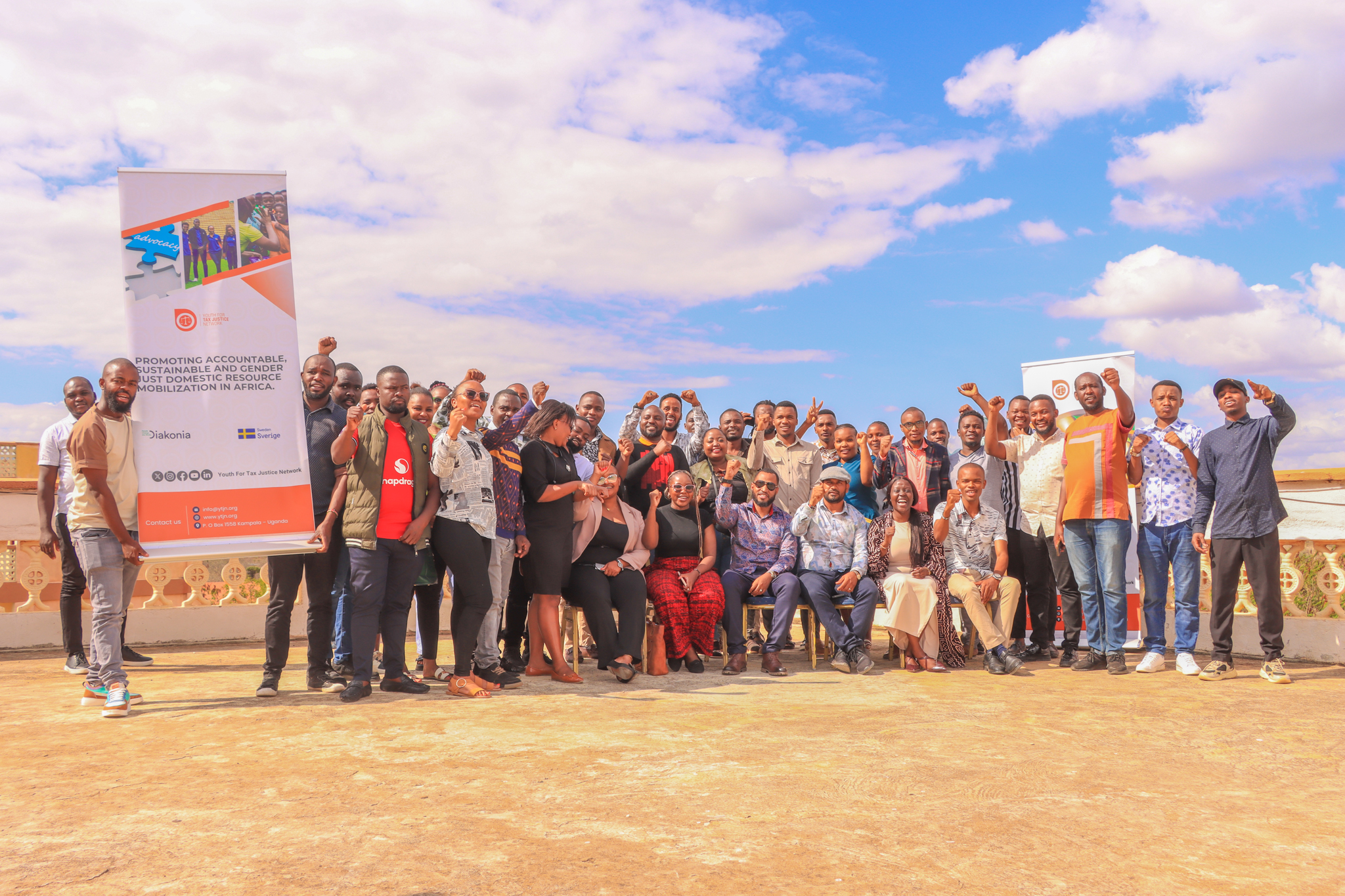
Young Batswana ought to join Youth for Tax Justice Network (YTJN) in amplifying demands for reform at national, regional and global spaces. Tactics include:
Awareness Campaigns around fiscal justice issues: Simplifying fiscal jargon using graphics, songs, poetry, videos e.t.c to engage peers via social media and community forums. YTJN is currently running the following campaigns: - Youth against Debt: How would you solve the debt crisis? Tax Justice and Youth: Why do we need a UN Tax Convention? Youth Action for Climate Justice through Sustainable Financing.
Policy Advocacy: Proposing evidence-based policy alternatives to the multiple crises including debt, climate change and unfair taxes on the youth to influence policy and law-making processes and practices.
Regional Collaboration: Leveraging cross-border alliances to pressure governments to adopt SADC and AU fiscal reforms such as support for the United Nations Framework Convention on Tax Cooperation and the United Nations Framework Convention on Sovereign Debt.
Call to Action
YTJN urges Batswana youth to:
Lobby Botswana’s Delegation: Meet with Botswana’s representatives attending FfD4 to demand they prioritize youth-centric fiscal reforms, such as adopting the SADC Model PFM Law and African Borrowing Charter (ABC). Provide them with a youth-authored policy brief outlining Botswana’s debt risks, unemployment crisis (43.86%), and the need for transparent budgeting.
Social Media Campaigns: Use hashtags like #FfD4, #DebtJusticeForYouth, and #BatswanaRising to spotlight Botswana’s fiscal challenges. Share infographics on the BWP 22 billion deficit and youth unemployment to pressure global leaders.
Virtual Side Events: Organize or participate in FfD4-linked webinars to discuss Botswana’s diamond-driven economic vulnerabilities and advocate for global debt frameworks that protect resource-dependent nations.
African Union Platforms: Push for the Lomé Declaration’s principles (e.g., debt as a “tool for the common good”) to be mainstreamed into FfD4 outcomes, ensuring African priorities shape global agendas.
Demand a Youth Seat: Petition FfD4 organizers to institutionalize youth representation in decision-making panels, ensuring Botswana’s youth have a direct voice in debt governance discussions.
Track Commitments: Use civic tech tools (e.g., budget-tracking apps) to monitor whether FfD4 pledges translate into actionable reforms in Botswana. Publicize gaps via social audits.
Attend budget consultations and demand transparency from Members of Parliament.
Form coalitions to monitor spending and advocate for equitable tax policies.
Innovate through civic tech (e.g., apps tracking public expenditure) and youth-led audits.
Conclusion
Botswana stands at a crossroads: austerity driven cuts risk alienating its youth majority, while embracing transparency and inclusive reforms could harness their potential as catalysts for sustainable growth. By domesticating regional frameworks like the SADC Model PFM Law and ABC, Botswana can safeguard its fiscal future. The youth’s message is clear: fiscal justice is non-negotiable. As Vice President Gaolathe navigates economic headwinds, integrating youth voices into governance will be pivotal to ensuring debt serves the common good not future burdens.
Related Articles
News
Advancing Care Economies: Why Fair Allocation of Taxing Rights Matters for Global and Gender Justice
Often, we are told there is no money for healthcare, for education, or for care infrastructure. Yet billions vanish through tax havens and profit-shifting schemes every year. This...
From Youth Unemployment to Revenue Engine: How Taita Taveta’s Youth Service Act is Forging a New Fiscal Future for Kenya
YTJN partnered with the Kenya Young Members of County Assembly (KYMCA) to pilot a transformative law in Taita Taveta County. The goal was both audacious and simple: to draft a bill...